
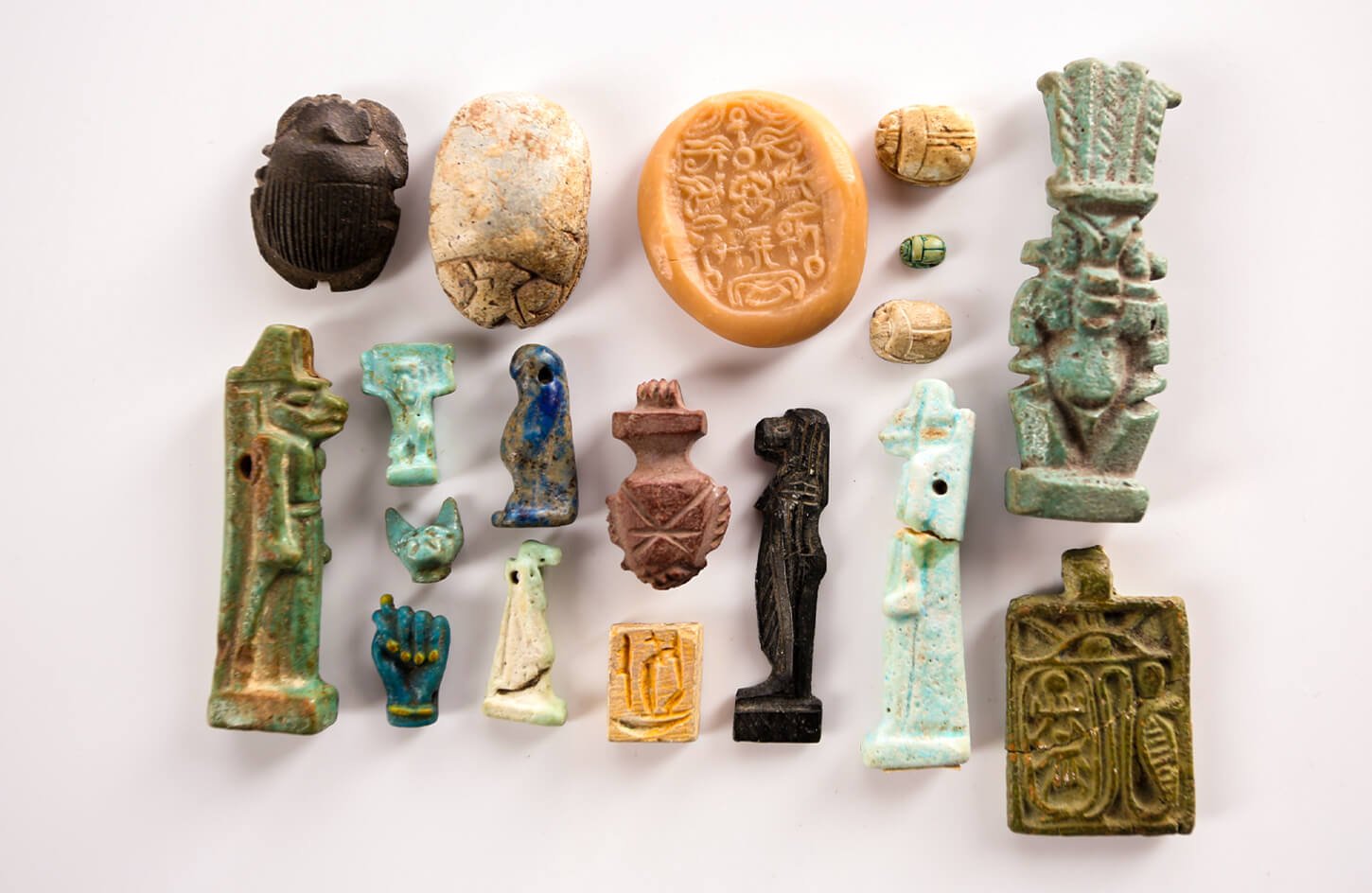

Egyptian Amulets played a powerful role in daily life, spirituality, and protection in ancient Egypt. Far more than decorative objects, these sacred charms were believed to guard against evil, attract good fortune, and provide divine protection both in life and in the afterlife.
Today, ancient Egyptian amulets continue to fascinate historians, archaeologists, and travelers who are eager to understand the deep symbolism behind each carefully crafted piece.
At first glance, Egyptian amulets may appear simple in design. However, every symbol carved into stone, faience, or gold carried a specific meaning rooted in religious belief and magical practice. From the protective Eye of Horus to the life-giving Ankh, these objects reflected a civilization where magic, medicine, and faith were closely connected. In ancient Egypt, protective spells were often spoken over amulets to activate their power, reinforcing the belief that words and symbols together created spiritual energy.
Understanding ancient Egyptian amulets requires looking beyond superstition and exploring the cultural and religious framework that shaped one of the world’s most advanced civilizations. These objects were not random talismans but carefully chosen symbols aligned with personal needs — protection, fertility, strength, healing, or safe passage to the afterlife.
For modern travelers, discovering the meaning behind Egyptian amulets adds depth to any visit to Egypt’s temples, tombs, and museums. Exploring these artifacts with a certified Egyptologist transforms them from simple relics into powerful storytellers of ancient belief systems. If you are planning to experience Egypt’s rich heritage firsthand, joining professionally guided Egypt excursions allows you to uncover the true meaning behind these fascinating symbols while walking through the very places where they were once worn and revered.
Make your Egypt trip truly meaningful by owning a piece of ancient Egyptian history. Book now with Cairo Egypt Tours and enjoy exclusive discounts on selected Egypt packages!
What Are Ancient Egyptian Amulets?
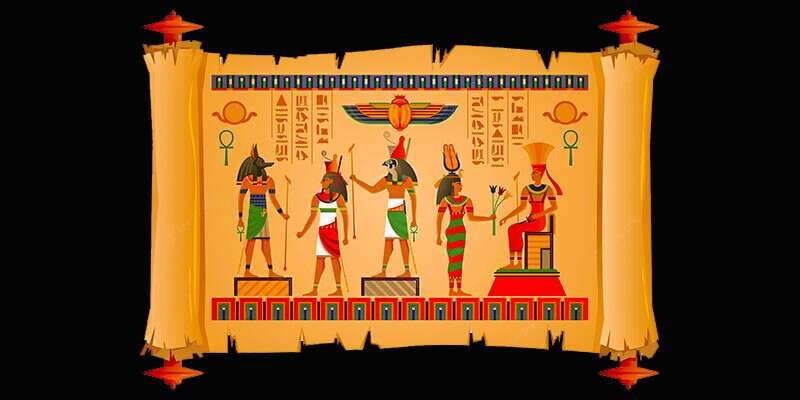
Ancient Egyptian amulets were sacred objects believed to provide protection, strength, healing, and divine favor. Unlike simple decorative jewelry, these small charms carried deep religious and symbolic meaning. The ancient Egyptians wore amulets during their lifetime and placed them within mummy wrappings to safeguard the soul in the afterlife.
Amulets were worn as necklaces, bracelets, rings, and pendants. They were crafted from a wide range of materials, including faience (a glazed ceramic), alabaster, gold, silver, and semi-precious stones such as turquoise, carnelian, and lapis lazuli. Their material often reflected the purpose of the amulet — for example, green stones symbolized rebirth, while red stones were associated with vitality and protection.
Thousands of ancient Egyptian amulets have been discovered in tombs, particularly within the linen wrappings of mummies. This funerary use is one of the most well-known aspects of amulet tradition, but they were equally important in everyday life. People carried them to ward off illness, protect against misfortune, and ensure divine guidance in a world they believed was filled with unseen spiritual forces.
The History of Egyptian Amulets
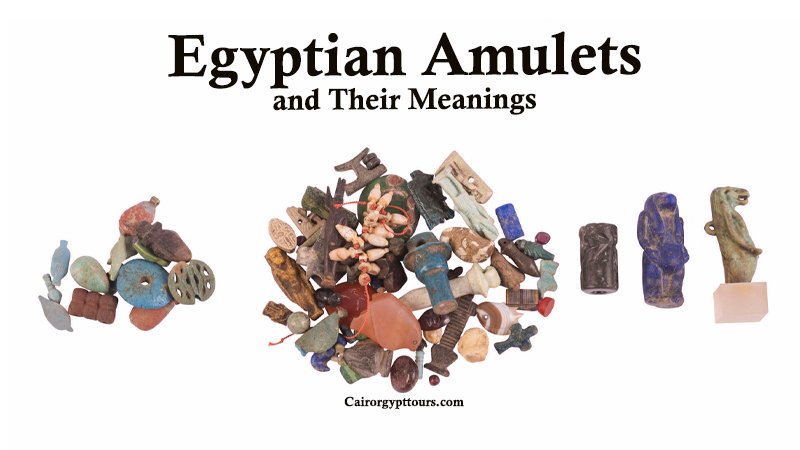
The tradition of Egyptian amulets dates back to the Predynastic Period, particularly the Badarian culture (ca. 4400–4000 BCE). From these early beginnings, amulets became a central element of Egyptian religious practice for thousands of years.
The earliest examples were simple in form, often carved from bone or stone. Over time, as Egyptian civilization advanced, amulets became more elaborate and symbolically refined. They were closely tied to the worship of gods and goddesses, and many were designed to invoke specific deities for protection or blessing.
Faience became one of the most commonly used materials. This bright blue-green glazed ceramic symbolized regeneration and was more affordable than gold or precious stones, making protective amulets accessible to a broader portion of society.
Throughout the Old, Middle, and New Kingdoms, amulets evolved in shape and complexity, but their purpose remained constant: to protect both the living and the dead.
Egyptian Amulets and Their Meanings
Each amulet carried a specific meaning rooted in Egyptian mythology and religious belief. Below are the most important and historically recognized examples.
1. The Heart Amulet (Ieb)
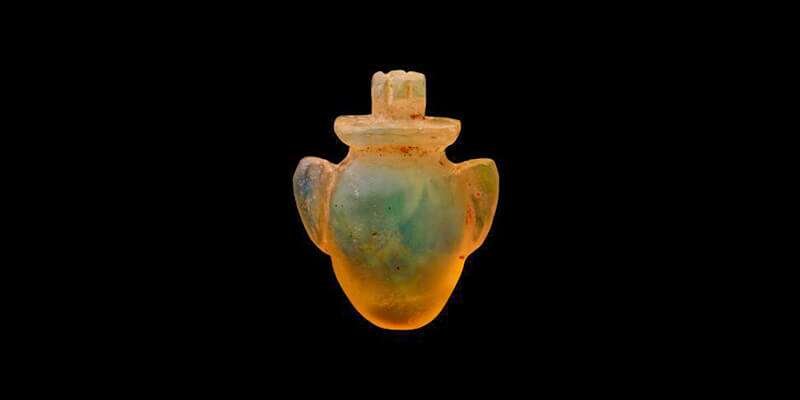
The Heart Amulet represented the heart (ib), which the ancient Egyptians considered the center of thought, emotion, and moral judgment. Unlike modern beliefs that associate the brain with intelligence, the Egyptians believed the heart was the seat of wisdom and conscience.
During the “Weighing of the Heart” ceremony described in the Book of the Dead, the heart was weighed against the feather of Ma’at (truth and justice). A heart amulet was placed within the mummy wrappings to prevent the heart from testifying against the deceased in the afterlife.
2. The Djed Pillar (Tet)
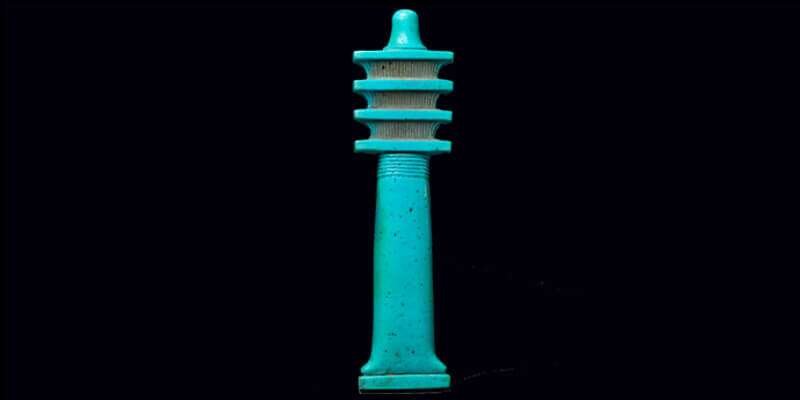
The Djed Pillar symbolized stability, endurance, and strength. It was closely associated with Osiris, the god of the afterlife, resurrection, and rebirth.
Often referred to as the “Backbone of Osiris,” the Djed represented eternal life and the restoration of order. It was frequently placed in tombs to ensure the deceased would rise again in the afterlife.
3. The Ankh – The Amulet of Life
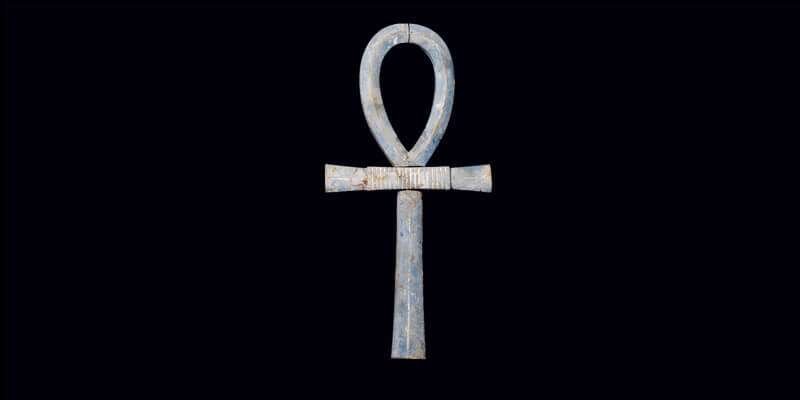
The Ankh is perhaps the most recognizable symbol of ancient Egypt. It represents life — both earthly existence and eternal life.
Gods are often depicted holding the Ankh to the nose of a pharaoh, symbolizing the gift of life. The symbol likely represents the union of male and female principles or the key to eternal life.
Worn as an amulet, the Ankh symbolized vitality, protection, and divine blessing.
4. The Usekh Collar (Collar of Gold)

The Usekh Collar was a broad, multi-rowed necklace associated with the goddess Hathor. It symbolized rebirth, joy, and divine protection.
This collar was sometimes placed on mummies as a funerary amulet to ensure renewal in the afterlife. Its elaborate design reflected status and spiritual significance.
5. The Eye of Horus (Wadjet)
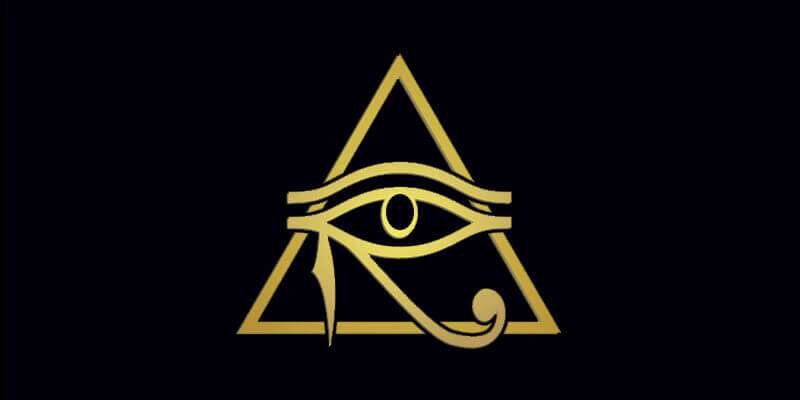
The Eye of Horus is one of the most powerful protective symbols in Egyptian mythology. It represents healing, protection, and restoration.
According to myth, Horus lost his eye in a battle with Set, and it was later restored by Thoth. Because of this story, the Eye of Horus became a symbol of wholeness and recovery.
It was widely used as a protective amulet for both the living and the dead.
6. The Ba (Soul) Amulet
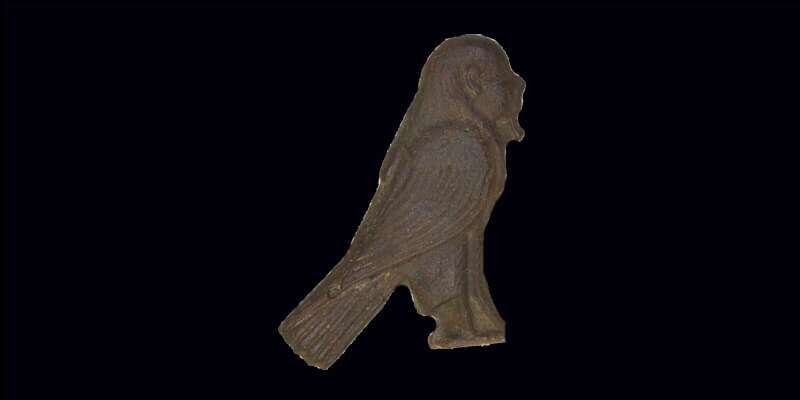
The Ba Amulet represented the soul of a person, often depicted as a human-headed bird.
Ancient Egyptians believed the soul could leave the body after death but needed to return regularly. This amulet ensured the connection between body and spirit remained intact, allowing the deceased to navigate the afterlife successfully.
7. The Scarab (Kheper)
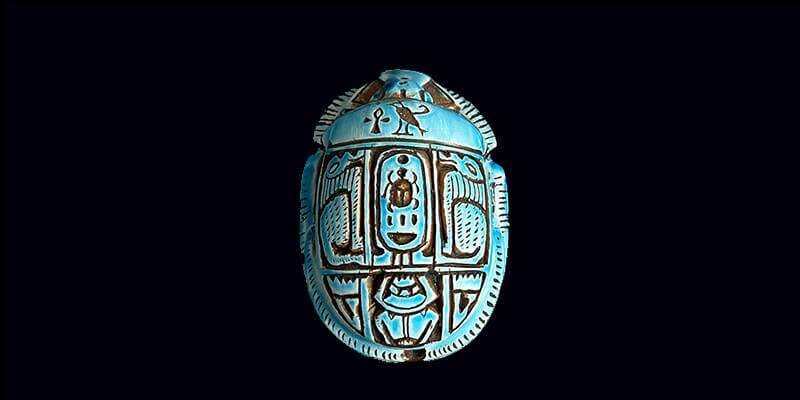
The Scarab Beetle Amulet symbolized rebirth, transformation, and the rising sun. It was associated with the god Khepri, who represented the morning sun.
Heart scarabs were placed over the chest of mummies to assist in the judgment ceremony. Scarabs were also used as seals and inscribed with prayers or personal names.
This remains one of the most iconic symbols of ancient Egypt.
8. The Knot of Isis (Tyet)
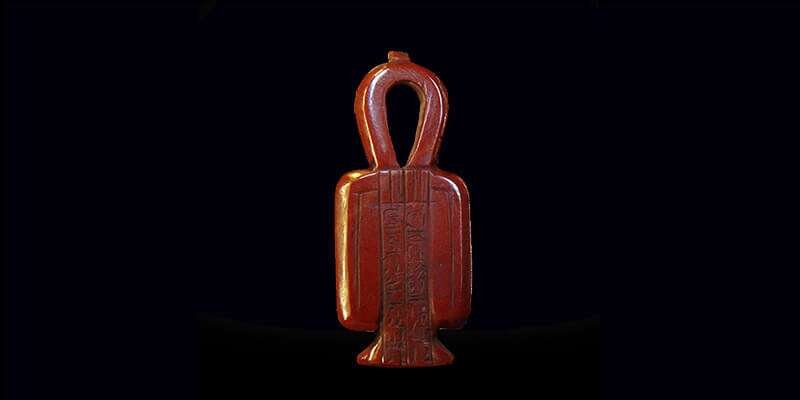
The Tyet, or Knot of Isis, resembles an inverted Ankh and symbolizes protection and feminine power.
Often made from red stone such as jasper, it represented the protective blood of Isis. It was placed in mummy wrappings to invoke the goddess’s guardianship in the afterlife.
9. The Eye of Ra

The Eye of Ra symbolized the sun god’s power, authority, and destructive force against enemies. Unlike the Eye of Horus (which represents healing), the Eye of Ra represented divine protection through strength and solar power.
It often appeared as a sun disk surrounded by a cobra.
10. The Vulture Amulet
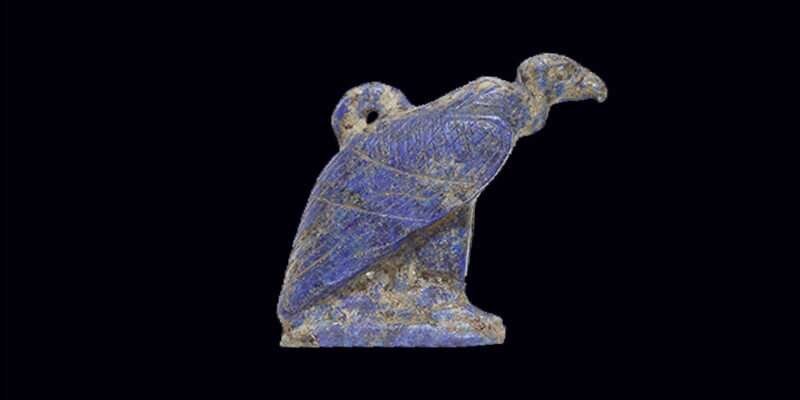
The Vulture Amulet represented maternal protection and was associated with the goddess Nekhbet.
It symbolized guardianship and was often placed on royal mummies to protect them in the afterlife.
11. The Ladder Amulet (Maqet)

The Ladder Amulet symbolized the means by which the deceased could ascend to the heavens. According to funerary texts, a magical ladder helped the soul climb to the sky and join the gods.
This amulet reinforced the belief in a structured and guided journey into the afterlife.
12. Amulet with Two Fingers – Symbol of Divine Protection
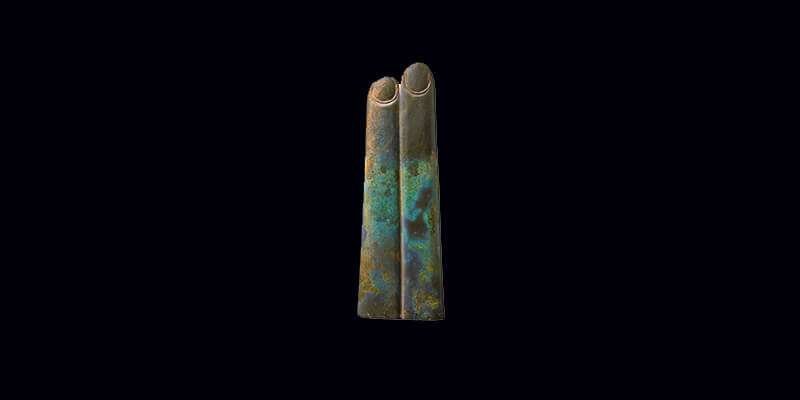
Among the most fascinating ancient Egyptian amulets is the Two Fingers Amulet, typically worn on the left hand and shaped like the index and middle fingers. This powerful symbol was closely connected to mummification rituals. After the internal organs were removed, the amulet was placed near the embalming incision to protect the body before the wrapping process began.
Scholars believe this Egyptian amulet served two primary purposes: to magically “seal” the incision against evil spirits and to ensure the embalming was performed correctly. Many examples were crafted from dark, durable stones such as obsidian or hematite. The black color symbolized the underworld and eternal endurance, reinforcing its protective spell.
The Two Fingers represented the fingers of the god Horus, who helped his father Osiris ascend to the heavens. Placing this amulet within the coffin or wrappings ensured the deceased would remain safe and unharmed in the afterlife.
13. Amulet of the Pillow – Guardian of the Head
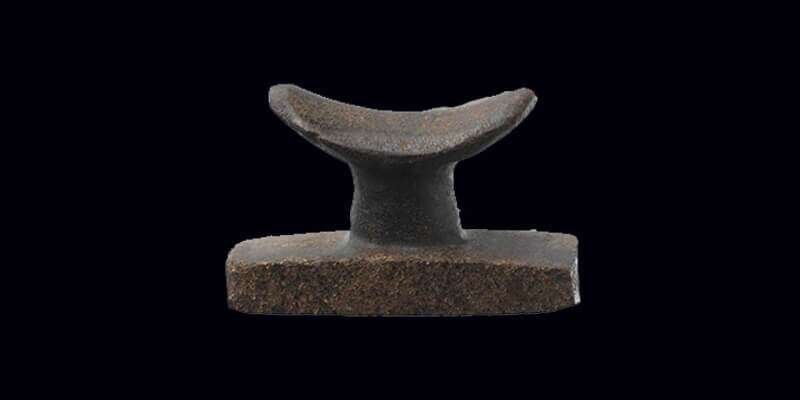
The Pillow Amulet, shaped like a headrest, was placed beneath the mummy’s neck inside the tomb. In ancient Egyptian belief, protecting the head was essential for survival in the afterlife.
This ancient Egyptian amulet symbolized physical support and spiritual safeguarding. It prevented the symbolic “separation” of the head and ensured the deceased would rest peacefully and securely for eternity.
14. Amulet of the Papyrus Scepter (Uadj) – Symbol of Youth and Renewal
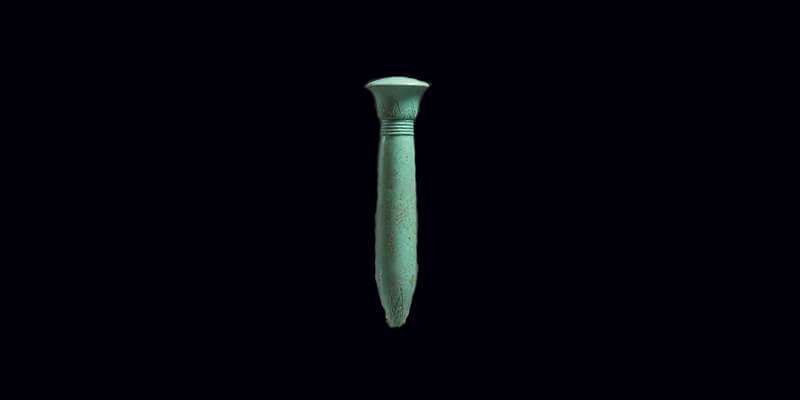
The Papyrus Scepter Amulet, also known as Uadj, represents freshness, vitality, and eternal youth. The Egyptian word “uadj” means “green” or “flourishing,” making green-blue faience the preferred material.
This Egyptian amulet dates back to the New Kingdom and reflects rebirth, regeneration, and the promise of renewal—qualities cherished by both the living and the dead.
15. Amulet of the Serpent’s Head – Protection from Poison
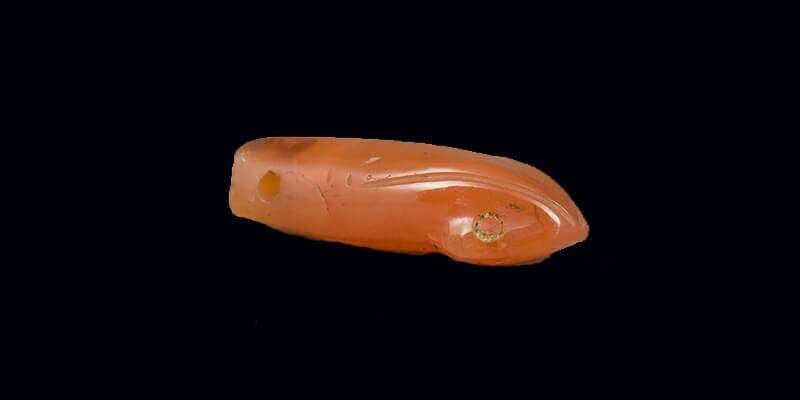
The Serpent’s Head Amulet, often shaped like a cobra, was worn by both the living and the deceased. Its primary purpose was protection against snake venom and other poisons.
In the dangerous journey through the underworld, this ancient Egyptian amulet symbolically frightened away harmful creatures and safeguarded the soul from unseen threats.
16. Amulet of Nefer – Beauty and Good Fortune
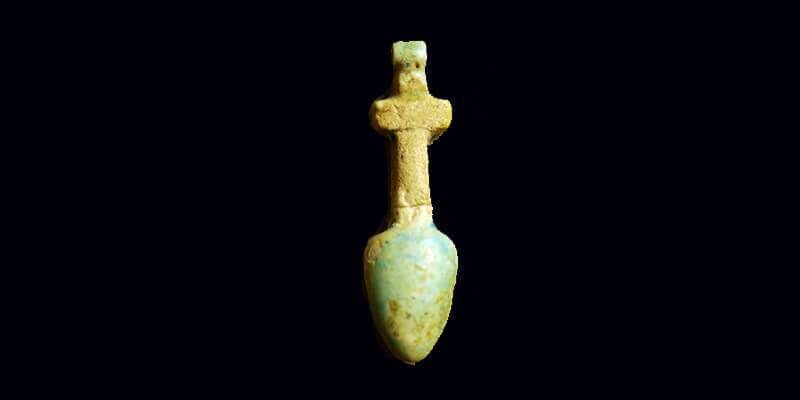
The Nefer Amulet derives from the hieroglyph meaning “good,” “perfect,” or “beautiful.” It symbolized happiness, harmony, and well-being.
Often crafted with fine materials, this elegant Egyptian amulet was associated with elite members of society. It promoted inner balance and outward beauty, reflecting the Egyptian ideal of perfection.
17. Egyptian Menat Amulet – Joy and Strength
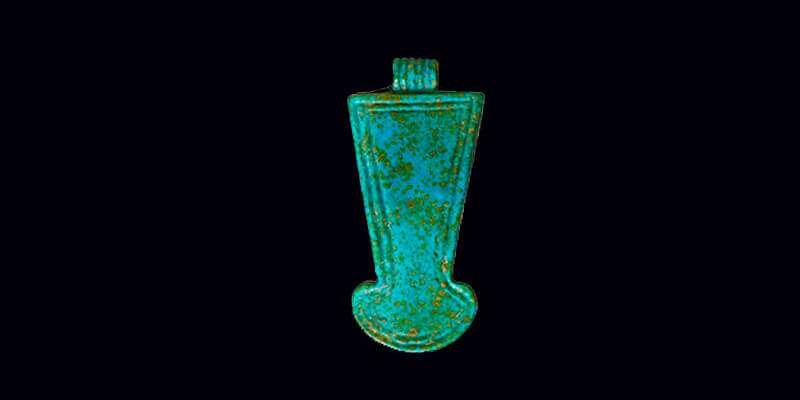
The Menat Amulet was associated with the goddess Hathor and sometimes linked to Ptah. Worn at the back of the neck, it symbolized joy, vitality, fertility, and strength.
Kings, nobles, priests, and even divine figures were depicted wearing this powerful ancient Egyptian amulet. It represented unity, abundance, and protection in both earthly life and the afterlife.
18. Amulet of Sesen (Lotus) – Rebirth and Creation
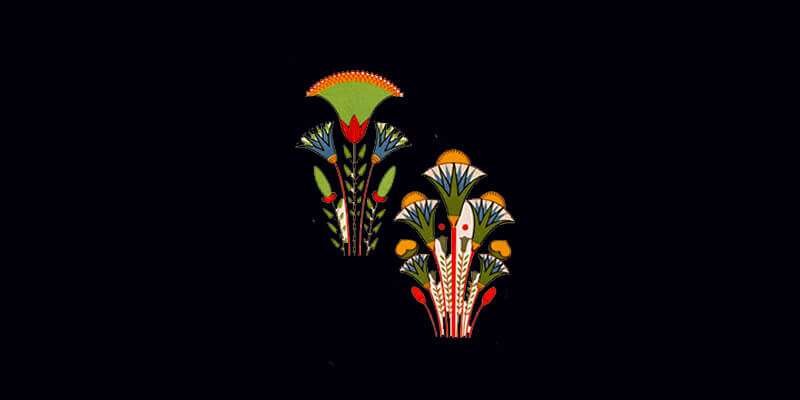
The Sesen Amulet, shaped like a lotus flower, symbolized rebirth and creative power. The lotus closes at night and rises again at sunrise, making it a natural symbol of regeneration.
Ancient Egyptians believed creation itself emerged from a cosmic lotus. This Egyptian amulet embodied renewal, spiritual awakening, and the energy of new beginnings.
19. Amulet of the Cat – Intuition and Protection

The Cat Amulet honored the sacred animal associated with the goddess Bastet. Cats symbolized intuition, protection, grace, and rebirth.
Wearing this ancient Egyptian amulet was believed to bring luck, safeguard against danger, and enhance spiritual awareness. Bronze and silver versions were especially popular for protection and prosperity.
20. Egyptian Amulet of Shen – Eternity and Protection

The Shen Amulet appears as a closed oval loop, symbolizing eternity and infinite protection. It safeguarded names and sacred inscriptions from negative forces.
This Egyptian amulet represented continuity, completeness, and divine guardianship. It was commonly worn as necklaces or bracelets for lasting protection.
21. Amulet of Isis – Divine Motherhood and Magic
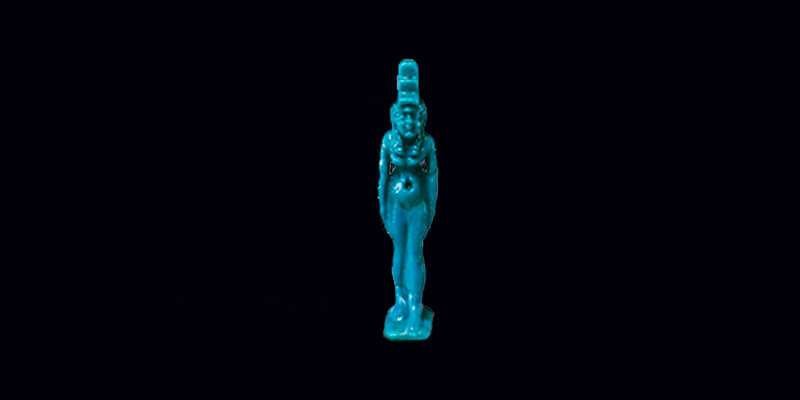
The Amulet of Isis honored the great goddess of magic, fertility, and motherhood. Often depicted with horns and a solar disk, Isis was one of the most beloved deities in ancient Egypt.
This powerful ancient Egyptian amulet protected women and children, ensured fertility, and brought divine blessing into the household. Isis embodied unconditional love and sacred power.
22. Amulet of the Feather of Maat – Truth and Justice

The Feather of Maat symbolized truth, justice, and cosmic order. In the afterlife, the heart of the deceased was weighed against Maat’s feather in the Hall of Judgment.
Wearing this Egyptian amulet represented moral integrity and alignment with truth. It was believed to protect only those who lived honestly and upheld justice.
If the heart was heavier than the feather, it was devoured by the fearsome Ammit. Therefore, this amulet served as a reminder of ethical living and spiritual accountability.
23. Amulet of the Winged Sun – Divine Power and Eternal Protection
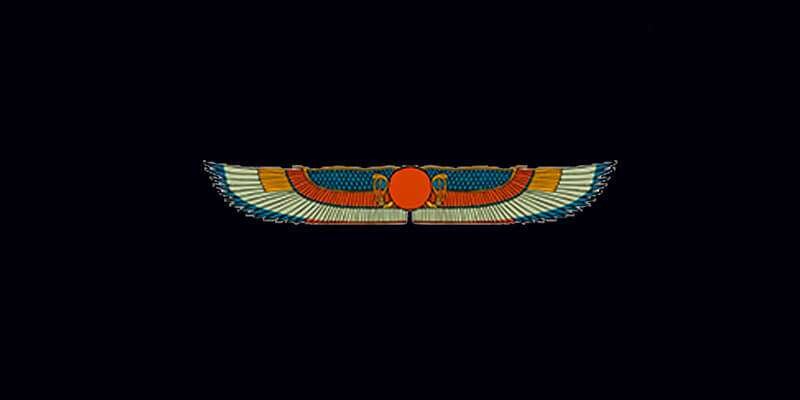
The Winged Sun Amulet is one of the most powerful and visually striking ancient Egyptian amulets. Designed as a solar disc with outstretched wings, often flanked by protective cobras, this symbol represented divine authority, cosmic balance, and protection from evil forces.
In Egyptian mythology, the winged sun was associated with Horus, the sky god, who took this form to defend Egypt against the chaotic powers of darkness. The sun disc symbolized life and divine energy, while the wings represented protection and royal sovereignty. The serpents on either side reinforced the amulet’s defensive power, forming a spiritual barrier against negative forces.
This Egyptian amulet was frequently carved above temple gateways and tomb entrances, especially in royal monuments. Its placement was intentional — it guarded sacred spaces and protected the pharaoh in both life and the afterlife. The Winged Sun became a national emblem of strength, victory, and divine kingship.
Wearing or displaying this amulet symbolized alignment with higher spiritual power and offered protection from harm, making it one of the most enduring symbols in ancient Egyptian belief.
24. Amulet of the Heron (Benu) – Rebirth and Eternal Life
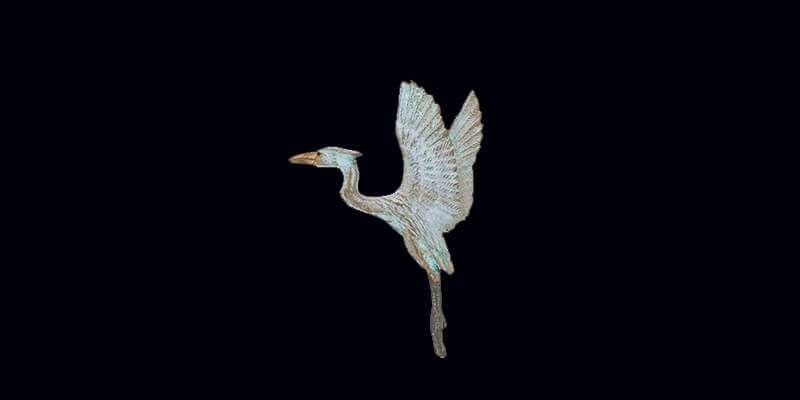
The Heron Amulet represents the sacred Benu bird, closely linked to creation, rebirth, and immortality. Often considered the inspiration behind the later myth of the phoenix, the Benu was associated with the sun god Ra and the cycle of renewal.
According to ancient Egyptian mythology, the Benu bird played a role in the creation of the world. It symbolized regeneration and the eternal return of life. This made the Heron one of the most spiritually significant ancient Egyptian amulets.
As an Egyptian amulet, it was believed to restore lost energy, revive fading love, and protect household harmony. Artistic variations carried additional meanings:
-
A heron standing on one leg symbolized prosperity and stability.
-
A heron grasping a serpent represented triumph over evil.
The Heron Amulet embodied foresight, transformation, and divine rebirth, making it a powerful talisman for those seeking renewal and spiritual growth.
Conclusion: The Enduring Power of Egyptian Amulets
Egyptian amulets were far more than decorative ornaments — they were sacred objects infused with spiritual intention and ritual power. From royal tombs to everyday life, these symbols played a central role in ancient Egyptian religion, magic, and protection.
Priests often blessed ancient Egyptian amulets through sacred rituals, believing they channeled divine energy into the object. Pharaohs were buried with dozens of carefully selected amulets placed within their wrappings and sarcophagi to guarantee protection, rebirth, and safe passage into the afterlife.
Each amulet carried a specific purpose:
-
Protection from danger
-
Attraction of wealth and prosperity
-
Fertility and family blessings
-
Moral guidance and spiritual balance
-
Resurrection and eternal life
The ancient Egyptians viewed magic not as superstition, but as a natural force integrated into daily existence. Amulets could be made from gold, faience, precious stones, or carved materials, often inscribed with powerful hieroglyphs to strengthen their effect.
Today, ancient Egyptian amulets continue to fascinate historians, collectors, and travelers alike. They offer a window into a civilization that believed deeply in cosmic order, divine protection, and the eternal journey of the soul.
If you are considering a trip to Egypt, browse through our Egypt Vacation Packages and choose your preferred travel option.
Don’t forget to read our article on Symbols of Ancient Egypt.


0 Comment