
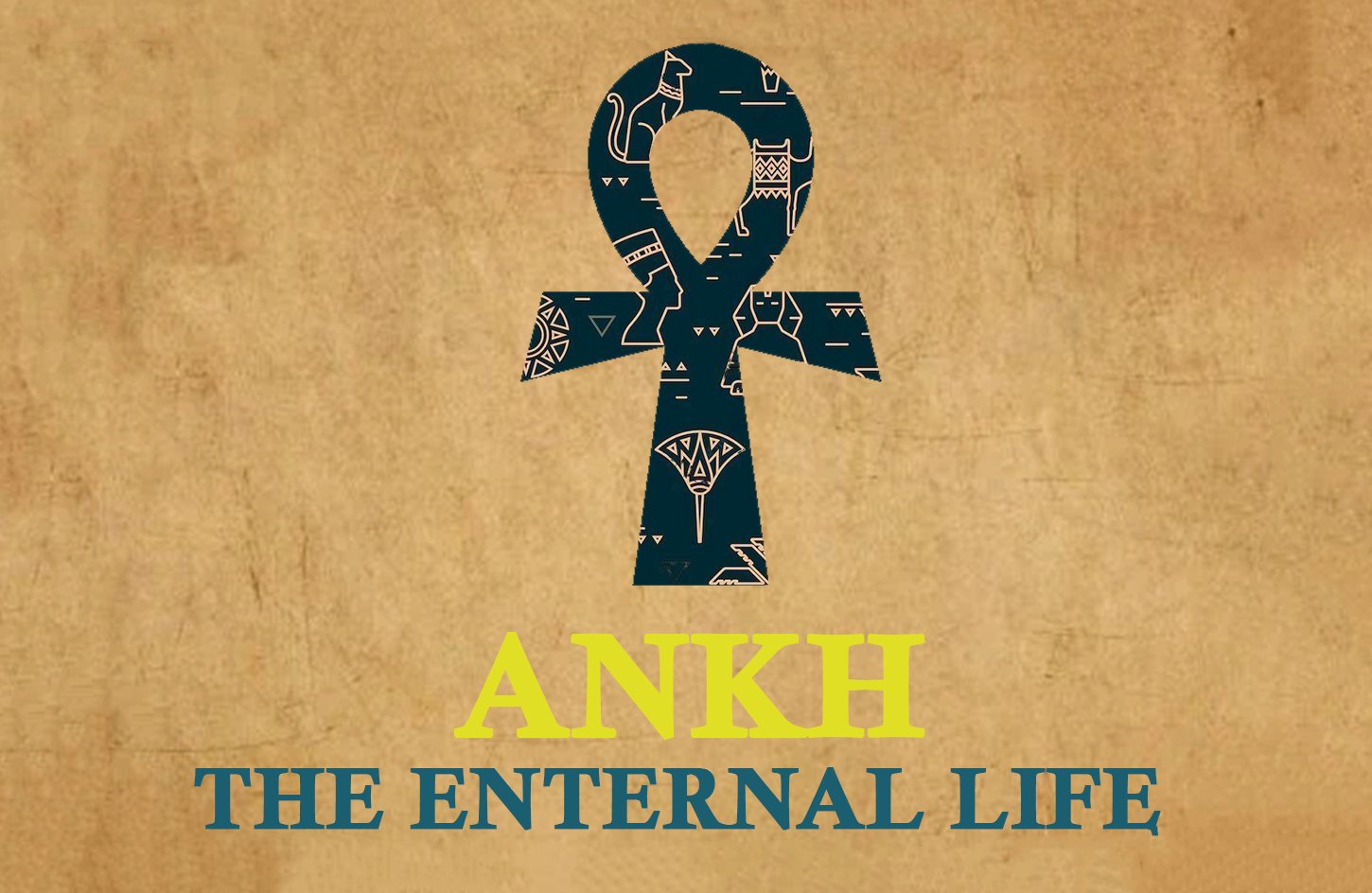

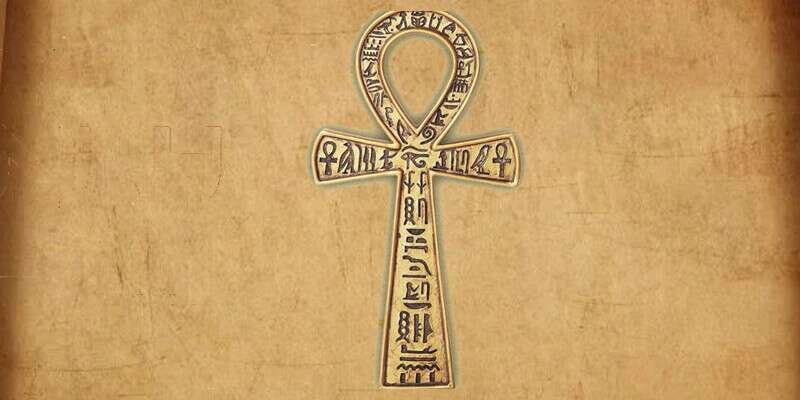
The Egyptian symbol of life is the Ankh, one of the most recognizable and meaningful icons of ancient Egypt. If you’ve ever wondered what the Egyptian Ankh symbol means, it represents far more than physical life. The Egyptian Ankh symbol is closely associated with eternal life, divine power, protection, and spiritual rebirth, making it one of the most important symbols in ancient Egyptian religion.
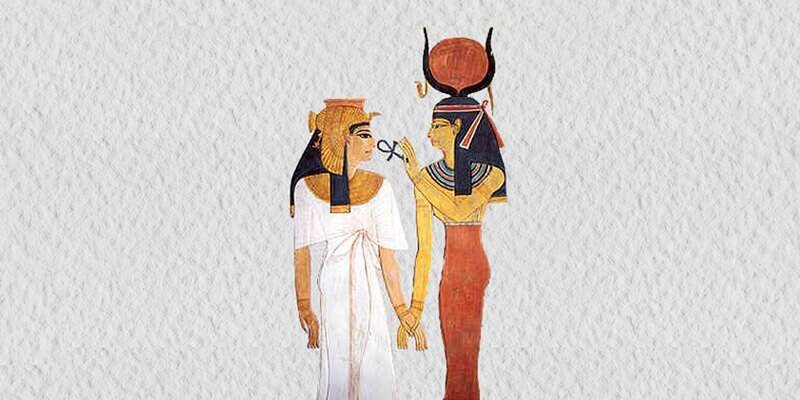
Often called the “Key of Life” or the “Cross of Life,” the Egyptian Ankh symbol appears throughout temples, tombs, monuments, papyrus scrolls, and ancient jewelry. Egyptian gods and goddesses are frequently shown holding the Ankh or presenting it to pharaohs, symbolizing the divine gift of life and the promise of immortality. In many temple reliefs, the Ankh is held near the ruler’s nose, representing the sacred breath of life bestowed by the gods.
Understanding what the Egyptian Ankh symbol means also requires looking at its distinctive shape. The looped cross has been interpreted in several ways by historians. Some believe it symbolizes the union of Osiris and Isis, representing fertility, creation, and the balance between masculine and feminine forces. Others suggest it reflects the life-giving Nile River or the rising sun, both of which were essential to the survival and prosperity of ancient Egypt.
The Egyptian Ankh symbol’s meaning extended beyond artwork and religious ceremonies. It was commonly worn as an amulet for protection, health, prosperity, and eternal life. Closely associated with the goddess Isis and the beliefs surrounding the afterlife, the Ankh became a powerful emblem of resurrection and the soul’s everlasting journey.
Today, the Egyptian symbol of life continues to captivate historians, travelers, and enthusiasts of ancient Egypt. Whether carved into temple walls, displayed in museums, or worn as modern jewelry, the Egyptian Ankh symbol remains a timeless representation of life, divine protection, spiritual harmony, and immortality—preserving its significance more than 4,000 years after it first appeared.
If you want to enjoy a memorable trip in Egypt, check out our Egypt Excursions with our certified Egyptologist Egypt travel guide.
Egyptian Ankh Symbol Meaning Spiritual
The spiritual significance of the ankh is deeply connected to themes of renewal, resurrection, and cosmic balance. It symbolized the ability to move between worlds — from life on earth to the eternal realm. In many temple scenes, gods are depicted holding the ankh to a pharaoh’s nose, offering the breath of eternal life. This gesture demonstrated divine approval and protection, reinforcing the belief that the king ruled with the blessing of the gods.
The ankh Egyptian symbol meaning also holds strong associations with fertility, regeneration, and healing. Its shape was sometimes interpreted as a symbolic union of opposites, male and female, earth and sky, highlighting balance as a sacred principle.
Where Did the Ankh Come From?
The ankh originated in ancient Egypt during the Early Dynastic Period, around 3150–2613 BCE. It first appeared in temple carvings, tomb paintings, and hieroglyphic inscriptions as a symbol representing life. The earliest uses of the ankh are associated with royal and religious contexts, especially scenes involving gods such as Isis, Osiris, and Ra. Its strong connection to divine power suggests that the symbol was created to represent the sacred gift of life, rebirth, and the eternal nature of existence.
The exact origin of its shape remains debated among scholars, with theories suggesting it may symbolize the union of male and female elements, a sandal strap design, or the rising sun. Regardless of its structural origin, the ankh quickly became one of the most important symbols in ancient Egyptian culture and continued to be used for more than 3,000 years.
The Ankh Egyptian Symbol Meaning in Ancient Civilization
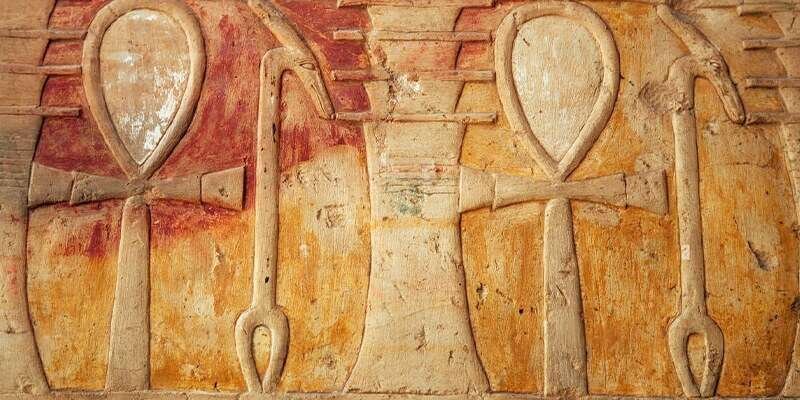
In ancient Egypt, the ankh was far more than a religious sign. It was a representation of the essence of existence, combining physical life, spiritual life, and eternal continuity. Its importance was so great that the ankh appeared in almost every artistic and ceremonial context, carried by pharaohs, priests, and gods as a sign of divine connection and sacred knowledge. For thousands of years, Egyptians associated the ankh Egyptian symbol meaning “ankh” with the cycle of birth, death, and eternal life that defined their belief system.
The symbol was often seen carved into temple walls or included in burial objects, serving as both a literal and metaphysical reminder that life extends beyond earthly time. When exploring ancient sites, travelers will notice that the ankh is never randomly placed — it always communicates purpose and meaning.
The Symbol of Life: Why the Ankh Represents Eternal Life

At its core, the ankh, an Egyptian symbol, is closely linked to eternal life. The looping shape at the top has commonly been interpreted as the rising sun or the breath of life, while the extended cross below represents the physical world and the path to the afterlife. Together, they form a symbol of unity between the mortal world and the divine.
This is why the ankh frequently appears in funerary paintings and inscriptions. Egyptians believed that life was not limited to the body; it continued endlessly through transformation. The ankh served as a guide and a guarantee that the soul would survive the journey beyond death. Its presence during rituals emphasized the belief in rebirth and regeneration, core elements of the religious system that sustained ancient Egyptian identity.
The Ankh Egyptian Symbol Meaning in Ancient Gods and Religious Iconography
Ancient artworks consistently depict gods such as Isis, Osiris, Horus, and Ra carrying the ankh. These gods were closely linked to themes of death, resurrection, and cosmic power. The ankh appears in their hands during ceremonies, in temple carvings, and on shrines dedicated to eternal rebirth.
In images where gods present the ankh to the king, they are shown giving the gift of life or granting divine authority. In funerary art, the ankh Egyptian symbol meaning emphasizes salvation and safe passage into the afterlife, reinforcing the belief that the gods controlled destiny.
Ra, the sun god, appears with the ankh during sunrise scenes, representing the rebirth of the sun each day. Isis and Osiris are often shown holding the ankh together, symbolizing love, marriage, and generative power.
Don’t miss to check our article about the Hathor temple
Where to See the Ankh Symbol in Egypt Today

Visitors traveling through Egypt can see the ankh carved into temple walls, painted in royal tombs, and displayed in museum collections. Key locations include the following:
-
Karnak and Luxor Temples – powerful scenes showing gods granting the ankh to pharaohs
-
Philae Temple in Aswan – major depictions of Isis and Osiris holding the ankh
-
Valley of the Kings and Queens – funerary inscriptions emphasizing the afterlife
-
The Grand Egyptian Museum and The Egyptian Museum in Cairo—jewelry, artifacts, and carvings featuring the ankh
These sites allow travelers to experience the symbol in its original cultural setting, surrounded by the architecture and beliefs that gave it meaning.
Souvenirs and Collectibles: Finding the Perfect Ankh in Egypt
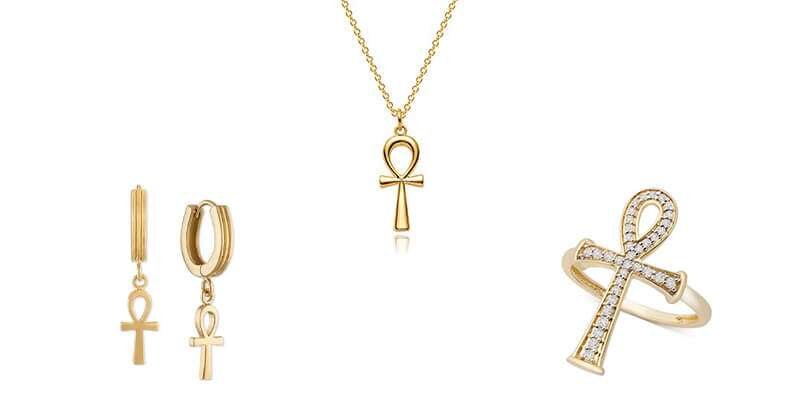
Travelers looking for an authentic reminder of their journey can find ankhs in markets across Egypt. Cairo’s Khan el-Khalili bazaar brims with pendants, wall hangings, and miniature sculptures.
Luxor and Aswan offer shops selling stone carvings or hand-painted wooden pieces. When purchasing, look for items made by local artisans rather than mass-produced imports, and don’t hesitate to ask about the crafting process. A thoughtfully chosen ankh makes a meaningful souvenir while supporting traditional skills.
The Ankh Egyptian Symbol and Its Connection to Power & Kingship
For pharaohs, the ankh symbol represented legitimacy, authority, and divine right to rule. Kings were viewed not only as political leaders but as intermediaries between the gods and the people. In many temple scenes, the pharaoh is shown receiving the ankh from a deity, symbolizing a direct transfer of divine power and the ability to grant life to the kingdom.
The ankh Egyptian symbol meaning reinforced the concept that the pharaoh maintained cosmic order and ensured prosperity. It was a symbol of stability and eternal leadership, explaining why it appears so frequently in royal iconography.
FAQS About Egyptian ankh Symbols
Is an Egyptian ankh representing Jesus?
The ankh does not represent Jesus. It was an ancient Egyptian symbol meaning “life,” used thousands of years before Christianity. Later, early Coptic Christians in Egypt adopted a cross-shaped symbol somewhat like the ankh, which created a visual connection. Although the shapes look similar, the original ankh has no connection to Jesus or the Christian cross. Their meanings and historical origins are different.
What does the ankh protect you from?
The ankh was believed to protect the wearer by offering life, strength, and good health. People used it as an amulet to guard against illness, harm, and spiritual danger. It was also placed in tombs to protect the soul and ensure safe passage to the afterlife. Many used it as a symbol of protection from negative forces and misfortune.
If you are considering a trip to Egypt, be sure to browse through our Egypt Vacation Packages and choose your preferred travel option.


0 Comment