


The Abu Simbel Sun Festival is one of the most remarkable cultural and astronomical events in the world. Twice a year, deep inside the Great Temple of Ramses II, sunlight travels through a long stone corridor and illuminates the seated statues in the sanctuary with breathtaking precision. This extraordinary alignment, designed more than 3,000 years ago, continues to amaze historians, archaeologists, and travelers alike.
More than just a solar event, the Abu Simbel Sun Festival is a living celebration of ancient Egyptian genius, Nubian heritage, and modern Egyptian pride. Visitors gather before sunrise, music fills the desert air, and as the first golden rays touch the temple façade, history comes alive in a way few destinations on Earth can match.
If you are planning a trip to Egypt, understanding the history, significance, and best way to experience this festival will help you turn your visit into something truly unforgettable.
Don’t miss out on our Egypt Vacation Packages
What Is the Abu Simbel Sun Festival?
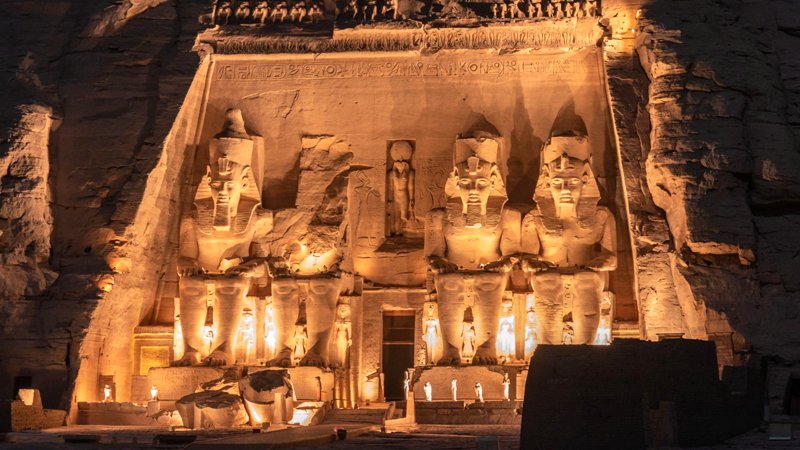
The Abu Simbel Sun Festival is a biannual solar alignment that takes place on February 22 and October 22 each year. On these two mornings, the rising sun penetrates the Great Temple of Ramses II and illuminates three of the four statues seated in the inner sanctuary: Ramses II himself, Amun-Ra, and Ra-Horakhty. The fourth statue, representing Ptah, the god of darkness, remains in shadow.
This alignment lasts for approximately 20 minutes and is considered one of the greatest architectural achievements of the ancient world.
The History Behind the Abu Simbel Temples
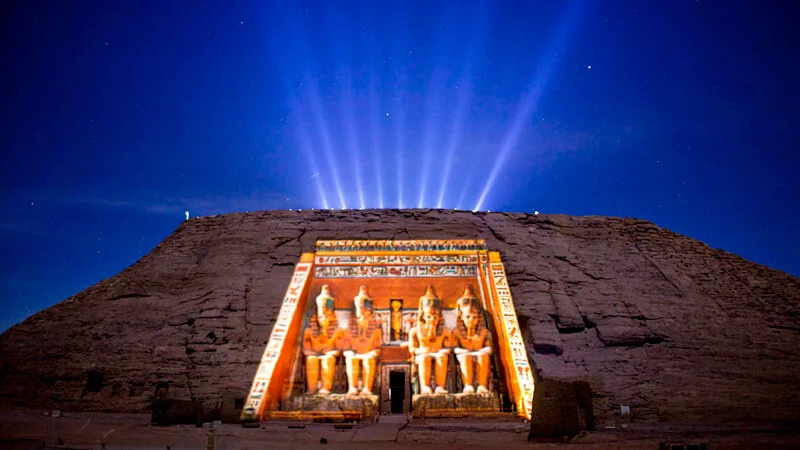
To truly appreciate the Abu Simbel Sun Festival, it is important to understand the origins of the temple complex.
The temples were built during the reign of Pharaoh Ramses II in the 13th century BCE. Ramses II, one of Egypt’s most powerful rulers, commissioned these massive rock-cut temples to:
- Demonstrate his strength and divine authority
- Commemorate his victory at the Battle of Kadesh
- Impress neighboring Nubian territories
- Honor the gods Amun-Ra, Ra-Horakhty, and Ptah
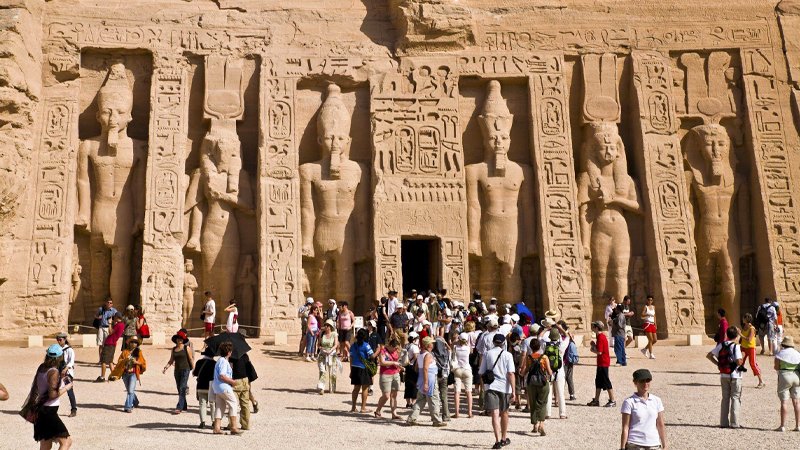
The Great Temple features four colossal statues of Ramses II seated at its entrance, each standing approximately 20 meters high. The smaller temple nearby was dedicated to Queen Nefertari and the goddess Hathor.
The positioning of the temple was not random. Ancient engineers aligned the inner sanctuary so that sunlight would reach its deepest chamber only on specific days of the year.
Why February 22 and October 22? The Meaning Behind the Solar Alignment
Many scholars believe these dates were chosen to mark significant moments in Ramses II’s life:
- One date is thought to commemorate his coronation.
- The other may represent his birthday.
Although exact historical confirmation is debated, what remains certain is that the alignment was intentional and precise. The ancient Egyptians possessed advanced knowledge of astronomy, geometry, and engineering that allowed them to calculate solar movement with extraordinary accuracy.
Even after the temple was relocated in the 1960s due to the construction of the Aswan High Dam, the alignment was preserved, shifting only slightly by one day.
The Relocation of Abu Simbel: How the Sun Festival Was Preserved
In the 1960s, the construction of the Aswan High Dam threatened to submerge Abu Simbel under the rising waters of Lake Nasser. An international rescue mission was launched, supported by UNESCO.
Between 1964 and 1968:
- The temples were cut into massive blocks.
- Each piece was carefully numbered.
- The entire complex was reassembled on higher ground.
Despite this enormous relocation effort, engineers successfully preserved the solar alignment phenomenon, ensuring that the Abu Simbel Sun Festival would continue for future generations.
This preservation effort is often described as one of the greatest archaeological rescue operations in history.
What Happens During the Abu Simbel Sun Festival Ceremony?
The experience begins long before sunrise.
1. Arriving Before Sunrise at Abu Simbel
Visitors gather outside the temple complex in the early morning hours. Tour groups typically depart from Aswan around 3:00–4:00 AM to arrive before first light.
The desert is quiet, cool, and filled with anticipation.
2. Nubian Cultural Performances and Celebrations
Before the solar alignment occurs, local Nubian communities perform traditional music and dance. These performances celebrate regional heritage and add a festive atmosphere to the event.
3. The Moment the Sun Illuminates the Sanctuary
As the sun rises over Lake Nasser, its rays travel through the temple entrance and along the inner corridor.
Slowly, light reaches the sanctuary:
- First illuminating Ra-Horakhty
- Then Amun-Ra
- Finally Ramses II
Ptah, the god associated with darkness and creation, remains in shadow.
For approximately 20 minutes, the statues glow with golden light before the sun moves higher in the sky.
The crowd watches in silence, often followed by applause once the phenomenon reaches its peak.
The Architectural Genius Behind the Alignment
The precision required to achieve this alignment is astonishing. Consider the challenges ancient builders faced:
- No modern instruments
- No digital tools
- No advanced construction machinery
Yet they managed to:
- Carve directly into solid rock
- Calculate solar angles accurately
- Align a deep interior chamber with seasonal sunlight
This demonstrates the extraordinary scientific and architectural knowledge of ancient Egypt.
The Abu Simbel Sun Festival is therefore not just a cultural celebration — it is proof of ancient innovation.
Why the Abu Simbel Sun Festival Is So Special
Many temples around the world align with celestial events. However, Abu Simbel stands apart for several reasons:
Unique Interior Illumination
Most solar alignments occur on exterior façades. At Abu Simbel, sunlight penetrates deep into the sanctuary.
Symbolic Meaning
The illumination reinforces Ramses II’s divine status, placing him among the gods.
Survived Relocation
The phenomenon continues even after the temple was dismantled and rebuilt.
Living Cultural Celebration
The event is not purely historical — it remains an active annual celebration.
Few places combine ancient science, royal propaganda, cultural heritage, and modern engineering in such a powerful way.
How to Visit the Abu Simbel Sun Festival
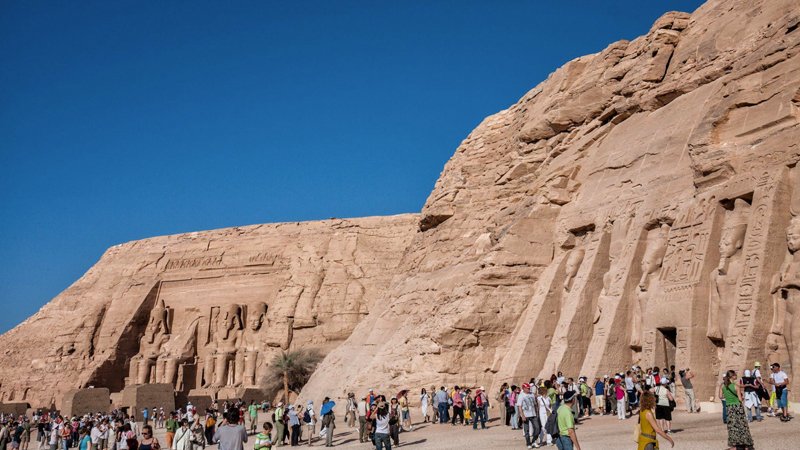
Getting There
Abu Simbel is located approximately 280 kilometers south of Aswan.
You can reach it by:
- Early morning road convoy from Aswan
- Domestic flight from Cairo or Aswan
- Private guided transfer
Most visitors choose to stay in Aswan and depart before dawn.
Where to Stay
While many travelers return to Aswan the same day, staying overnight near Abu Simbel offers a calmer and more immersive experience.
Luxury Nile cruises sometimes adjust itineraries to include the festival dates, offering a premium way to attend.
Best Time to Attend the Abu Simbel Sun Festival: February vs October
Because the Abu Simbel Sun Festival occurs only twice a year, planning is essential.
February 22
- Cooler weather
- Ideal for winter travel in Egypt
- High tourist demand
October 22
- Pleasant autumn temperatures
- Slightly fewer crowds than in February
- Excellent timing for extended Upper Egypt tours
Booking early ensures:
- Better hotel availability
- Confirmed transportation
- Preferred viewing position
What to Expect on Festival Day: Practical Travel Tips
It is important to prepare properly for the experience.
Arrive Early
Crowds can be significant. Arriving before sunrise secures better positioning.
Dress Comfortably
Temperatures before dawn can be cool, especially in February.
Be Patient
Security checks and organized entry may take time.
Bring Essentials
Water, a light jacket, and comfortable shoes are recommended.
Photography is allowed, but flash is prohibited inside the temple.
Combining the Abu Simbel Sun Festival With a Nile Cruise and Egypt Tour
Attending the Abu Simbel Sun Festival becomes even more meaningful when included in a broader Egypt itinerary.
Many travelers combine it with:
- Aswan attractions such as Philae Temple
- A Nile cruise between Aswan and Luxor
- Luxor’s Valley of the Kings
- The temples of Karnak and Luxor
- Cairo’s pyramids and museums
Planning your journey with experienced Egyptologists enhances your understanding of the symbolism behind the solar alignment.
For travelers seeking a well-organized experience, working with a reputable operator like Cairo Egypt Tours ensures smooth transfers, professional guidance, and personalized arrangements around the festival dates.
The Spiritual Symbolism of the Abu Simbel Sun Festival
In ancient Egyptian belief, sunlight symbolized creation, rebirth, and divine power.
By aligning the temple with the rising sun:
- Ramses II positioned himself alongside the gods.
- The event reinforced his eternal authority.
- The temple became a cosmic stage for royal divinity.
The fact that Ptah remains in shadow is also symbolic. As a deity associated with the underworld and creation through darkness, his shadowed presence reflects theological balance.
The Abu Simbel Sun Festival, therefore, represents more than astronomy — it reflects a carefully crafted spiritual message.
The Experience Beyond the Temple
The festival is not only about the 20-minute alignment.
The atmosphere itself is unforgettable:
- The silence before sunrise
- The cool desert air
- The reflection of light over Lake Nasser
- The shared excitement among visitors
Watching ancient stone glow in golden light creates a sense of connection across thousands of years.
Many travelers describe the moment as emotional, even spiritual.
Is the Abu Simbel Sun Festival Worth It?
If you are passionate about:
- Ancient history
- Architecture
- Astronomy
- Cultural festivals
- Unique travel experiences
Then the answer is absolutely yes.
While the journey requires early departure and careful planning, the reward is witnessing one of the most extraordinary achievements of the ancient world in real time.
Few travel moments compare to standing inside a 3,000-year-old temple as sunlight reveals its sacred core.
Photography Tips for Capturing the Abu Simbel Sun Festival
Capturing the festival requires preparation.
- Use a low-light camera setting inside the temple.
- Avoid flash photography.
- Position yourself carefully without blocking others.
- Focus on capturing the gradual progression of light.
Outdoor shots of the temple façade at sunrise are equally dramatic.
Responsible Tourism and Preservation
The Abu Simbel temples are delicate heritage sites.
Visitors should:
- Respect site regulations
- Avoid touching carvings
- Follow official guidance
- Support sustainable tourism practices
Preserving this phenomenon ensures future generations can continue to witness it.
Don’t miss checking out our Egypt Day Tours & Trips
FAQs about Abu Simbel Sun Festival:
When does the Abu Simbel Sun Festival take place?
The Abu Simbel Sun Festival occurs twice yearly, on February 22nd and October 22nd. These dates coincide with the historical events related to the sun alignment phenomenon in the Abu Simbel temples.
How can I witness the sun alignment at Abu Simbel?
To witness the sun alignment at Abu Simbel, you must visit during the Abu Simbel Sun Festival on February 22nd or October 22nd. These days, the sun’s rays penetrate the temple’s inner sanctum and illuminate the deities’ statues, creating a magnificent sight.
Don’t miss reading our Nile Cruise Reviews
Are there any restrictions during the festival?
Certain restrictions apply during the Abu Simbel Sun Festival to ensure the temple complex’s preservation and visitors’ safety. Visitors are advised to follow designated paths, respect the cultural and religious significance of the event, and adhere to the instructions provided by the authorities.
Can I take photographs during the Abu Simbel Sun Festival?
Yes, visitors are allowed to take photographs during the Abu Simbel Sun Festival. However, it’s essential to be mindful of other visitors, respect the sanctity of the temples, and avoid using flash photography, as it can damage the delicate ancient artifacts.
What other attractions are there in Abu Simbel?
In addition to the Abu Simbel temples, there are other attractions in Abu Simbel and its surroundings. These include Lake Nasser, where you can enjoy boat trips and fishing, and the Temples of Philae and Kom Ombo, which offer further insights into Egypt’s rich history and architectural wonders.
Final Thoughts
The Abu Simbel Sun Festival stands as one of the most extraordinary examples of ancient Egyptian brilliance. It combines science, spirituality, royal symbolism, and modern preservation into a single unforgettable experience.
Standing inside the Great Temple as the first rays of sunrise illuminate Ramses II and the gods is not simply sightseeing — it is witnessing a moment designed more than three millennia ago, still unfolding with perfect precision.
For travelers planning a meaningful and well-organized journey to Upper Egypt, integrating the Abu Simbel Sun Festival into a carefully curated itinerary ensures both comfort and depth of experience. With expert planning, seamless logistics, and knowledgeable guides, your visit becomes more than a trip — it becomes a connection to one of humanity’s greatest architectural achievements.
If you are considering visiting Egypt during February or October, aligning your travel dates with the Abu Simbel Sun Festival may transform your entire journey into something truly exceptional.
Don’t Miss Reading Our Related Article:


0 Comment